


Four Principles to Support Successful Clinical Nurse AI
Debra has managed her triage team for eleven years. She knows every nurse by their voice: who slows down when a call gets complicated, who goes quiet under pressure, who has been staying late to finish documentation. She is good at her job. She is proud of her team. And lately, she has been watching them work in a way that sits heavily with her.
Not because they are making mistakes. Because of what it costs them not to.
She watches a nurse navigate four separate screens to surface a provider preference that should have been one click away. She watches another pause mid-call to hunt for the right protocol in another system. She watches one of her best nurses leave at the end of a shift exhausted from working at a pace that the current system doesn’t support.
Debra knows what her nurses are carrying. There is no stethoscope in telephone triage, no visual assessment, no opportunity to lay handson a patient and feel what the chart isn't telling you. There is a voice on the phone, a group of tools that may or may not surface the right information, and a nurse making live clinical decisions without the physical cues that every other care setting takes for granted.
What makes telephone triage uniquely difficult isn’t just call volume. It’s invisibility. This is the Blind Crucible: assessing patients remotely, practicing in an isolated environment, racing against the clock, bearing unseen consequences.
The cognitive weight is real. Triage nurses handle a relentless volume of calls each shift. They carry 2,500-plus pages of clinical reference material in working memory, navigate more than 800 adult and pediatric protocols, and make dispositions that could mean the difference between a patient seen in three hours or scheduled a week out. One nurse described the fatigue that accumulates across a long shift as solving math problems while someone blares an air horn.
Variability is the predictable result. Two nurses with identical credentials, triaging the same presenting symptoms on the same day, will reach different dispositions. One has the right clinical support structure and the other doesn't. That variability is not a failure of nursing. It is a failure of the system those nurses are dealing with every day.
Debra already knows this. She has known it for years. What Debra, and leaders like her, need isn’t another tool. They need a framework for what good support and technology looks like in triage.
When Technology Supports Clinicians Nurses Thrive and Patients Benefit
Clinical leaders like Debra have spent years navigating technology decisions without a framework designed specifically for them. Most of the content published about AI in telephone triage has been written for administrators, not clinicians, and no competitor in this space has produced a framework that speaks to what actually happens at the nurse's level. That gap is not an oversight. It reflects whose priorities have shaped the conversation: efficiency metrics, cost reduction, and administrative outcomes, rather than what happens to the nurse on a long shift, or to the patient whose disposition depends on her getting it right.
That is what the Clinical Nursing AI (CNAI) framework is designed to change. Four principles, built by practitioners with 25-plus years in triage contact centers, grounded in the daily realities of the Blind Crucible rather than in a product roadmap. Not a checklist. Not a compliance exercise. A clinical standard that puts your nurses, your patients, and your judgment at the center of every technology decision your organization makes.
Principle 1: Patient Safety First

"AI must adhere to evidence-based protocols and preserve nurse autonomy over clinical decisions. “
When Debra thinks about what she needs from technology in her triage center, patient safety is not just the first item on a list. It is the list. Everything else is downstream of it. And she suspects most clinical leaders feel exactly the same way, even if that conviction rarely makes it into the technology conversations they are asked to sit through.
Your nurses are the clinicians. Any technology in your triage environment exists to support their judgment, not to substitute for it, not to accelerate past it, and not to quietly introduce variability of its own. Research supports this model: a 2020 study published in BMC Primary Care found that triage nurses using clinical decision support systems had significantly lower rates of clinically relevant undertriage compared to general practitioners triaging without structured support, demonstrating that the right technology in the right role genuinely improves clinical outcomes. Not all AI is safe for clinical decisions. And your nurses know the difference—even if vendors don’t say it out loud.
The safety architecture that safe AI requires is specific. Clinical decision pathways, the protocols that govern escalation, disposition, and care advice, must run on deterministic systems: structured decision trees and rules engines that follow evidence-based guidelines precisely, without deviation, and without the risk of generating a plausible-sounding response that is clinically incorrect.
The distinction between deterministic clinical systems and generative AI is not a technical footnote. It is the line between a system your nurses can trust and one they cannot.
Think of it the way experienced aviation professionals use automation: technology is invaluable for gate assignment and route optimization. You would not want it choosing when to deploy the landing gear.
In telephone triage, the equivalent of landing gear deployment is the clinical decision chain. That chain belongs on a deterministic system. Well-designed clinical technology earns its role by enhancing the experience around that chain through natural language processing, documentation support, and intelligent context delivery. It does not belong inside clinical judgment.
What this means for your nurses: they retain full authority to override, escalate, or deviate from any recommendation the system surfaces. Every protocol, every escalation prompt, every documentation suggestion flows from evidence-based clinical guidelines. The system is there to support the decision. The nurse makes it.
Debra already builds her team around that principle. The technology in her triage center should be built around it too.
Principle 2: Minimize Cognitive Overload
"Surface the right information at the right moment, and nothing else.“
Debra has watched the nurse who navigates four screens on a single call long enough to know it is not a training issue. The nurse knows the protocols. She knows the system. What she does not have is a system designed to meet her where she is in the call, at the moment she needs it. That is not a small thing. Over the course of a long shift, the constant switching, hunting and information overload accumulates into something that wears good nurses down.
Picture what your triage nurses are managing. The patient's presenting symptoms, medication history, and provider's preference set, which differs from the provider two rooms over. Then, there’s the relevant adult or pediatric protocol from a library that spans hundreds of options, and the next-step advice that aligns with that specific patient's insurance requirements. And all of this accessed across systems that were not designed to talk to each other, while the patient is waiting on the line.
This is what one triage veteran called "digital archaeology": digging through layers of systems while a patient waits. A 2023 time-motion study published in Critical Care Nurse found that nurses spent 33% of their shift interacting with technology, compared to just 22% on direct patient care.
The answer has never been more training or better personal organization. It is better design. The standard worth holding any clinical system to is radical information economy: not giving nurses access to everything, but surfacing exactly what they need at the moment they need it, without asking them to go looking for it. The right protocol. The right provider preference. The relevant patient history. All of it arrives in the flow of the call, not waiting in a system the nurse has to leave the conversation to find.
The measure of success is not how much the system knows. It is how little your nurse has to think about accessing what the system knows.
When Debra's team stops doing digital archaeology, they start doing nursing. That is what this principle is working toward, and it is something every triage leader deserves to see in their center.
The best support systems don’t make nurses faster. They make the work feel lighter.
Principle 3: Reduce Drudgery
"Automate the documentation and administrative overhead that consumes clinical time without contributing clinical value.“
Debra knows the difference between a nurse who is tired from a hard shift and a nurse who is tired from a wasteful one. The clinical demands of telephone triage are real, and she can’t make them smaller. What she has always wanted is to protect her nurses from the weight that has nothing to do with the clinical work: the re-entering of data, the documentation across five screens, the handoffs created not by patient need but by system fragmentation. That weight is not nursing. And it is not inevitable.
There is a distinction your nurses feel on every shift, even if it rarely gets named directly: the difference between cognitively demanding work and cognitively empty work: waste that has gotten normalized. Telephone triage nursing, at its best, is demanding in exactly the right ways. It requires clinical judgment, pattern recognition, and the ability to hear what a patient is not saying. The administrative overhead surrounding it demands none of those things.
The numbers behind this are ones most clinical leaders recognize immediately. According to the U.S. Surgeon General's Advisory on Health Worker Burnout, nurses spend on average 40% of their shift on documentation alone. That is nearly half a shift's worth of clinical expertise spent on administrative overhead rather than on the patient. Most clinical leaders find that number quietly devastating when they first encounter it, because they already knew it was true. A 2024 survey of nurse practitioners found that 62% cited excessive bureaucratic tasks, including documentation and chart audits, as the top contributor to their burnout. And when handoffs do occur, the stakes are significant: The Joint Commission reports that 80% of serious medical errors involve miscommunication during care transitions.
Well-designed clinical technology should absorb the drudgery so clinical judgment can absorb the complexity. That means automated documentation that captures the clinical interaction without requiring a nurse to re-enter it. It means single-contact resolution that reduces unnecessary handoffs, not by routing patients away from care, but by completing more of the care cycle in the original interaction. It means a system that routes administrative tasks to the right tier so your clinical staff can practice at the top of their licensure, doing the work they trained for.
Debra's nurses did not spend years building clinical expertise to spend a third of every shift wrestling with documentation systems. That isn’t nursing, and it’s entirely fixable.
Principle 4: Enhance Clinical Judgment
"Reinforce the nurse's clinical expertise. Never replace it.“
This is the most important principle in the framework. It is also the one that tends to get lost when conversations about clinical technology focus on what the technology can do rather than on what the nurse needs.
The goal is not to automate triage. The goal is to make your triage nurses better at triage. And there is a meaningful, important difference between those two things.
Debra has seen what genuine support looks like in practice. A veteran nurse on her twentieth call of the shift, carrying the fatigue that accumulates quietly across hours, can miss a subtle pattern she would have caught on call five. That is not a reflection of her skill. It is a reflection of what sustained cognitive pressure does to even the most experienced clinician. The right technology sits alongside her in that moment. It watches for the gaps that fatigue creates. It surfaces what she might otherwise overlook. It ensures that the standards Debra has spent years building are upheld consistently, whether it is 9 in the morning or 9 at night, whether the nurse has two years of experience or twenty.
A system designed to enhance clinical judgment makes the nurse more accurate, more consistent, and more confident. Your veteran nurses catch more of what fatigue causes them to miss. Your newer nurses grow faster than they could in a more isolated environment, not because the system is making decisions for them, but because they have access to a depth of clinical pattern recognition that used to take decades to develop.
Most technology tries to standardize care. The best technology strengthens clinical thinking.
That is the right frame. Not automation. Amplification. If you want to go deeper on the clinical thinking behind this principle, The Blind Crucible ebook explores it in full, written by practitioners who have spent careers inside the triage environment.
Organizations that have implemented clinical support technology with this philosophy report 20 to 40% reductions in total handle time, 23 to 35% increases in staff satisfaction, and 15 to 30% decreases in preventable ED visits.
Those numbers matter. But they are the result of something more fundamental: nurses who feel supported do better work, and patients in the care of supported nurses receive better care. And at a time when surveys consistently show that more than three in four nursing professionals reported experiencing burnout in 2023, technology that lifts clinical capability rather than adding to the burden is not a luxury. It is what retention actually looks like in practice.
AI that enhances clinical judgment is transformative. The nurses who experience it tend to agree.
See the difference these principles made for EmergeOrtho's triage team.
The Outcome Every Triage Leader Is Working Toward
The Blind Crucible is not going away. Telephone triage will remain an environment where your nurses make consequential clinical decisions with no ability to see, hear, or physically examine the patient in front of them. That is a profound demand to place on a person, shift after shift, call after call. Clinical leaders like Debra feel the weight of it because they have watched their teams carry it for years.
What Debra is working toward is not complicated, even if getting there has been. She wants her nurses to end a shift tired from the right things: from thinking hard, listening carefully, and making sound clinical decisions. Not from hunting through systems, re-entering data, and managing handoffs that should never have happened. She wants technology that quietly makes that possible, without getting in the way.
These four principles, Patient Safety First, Minimize Cognitive Overload, Reduce Drudgery, and Enhance Clinical Judgment, exist to help clinical leaders get there. Not as a framework to present in a boardroom, but as a standard to carry into every technology conversation your organization has. When the technology your nurses work inside is built around these principles, something shifts. The nurses stop thinking about the system. They start thinking about the patient. And that, more than any metric, is the outcome every triage leader is working toward.
Your nurses deserve that. So do your patients.
The result isn’t just a better experience. Teams applying these principles report fewer missed calls, more consistent dispositions, and measurable reductions in burnout.
Debra's story is not unique. Clinical leaders across outpatient triage are carrying the same weight, asking the same questions, and looking for the same thing: a triage environment where their nurses feel genuinely supported, their patients receive consistently excellent care, and the technology in the room makes all of that easier rather than harder.
Posted By
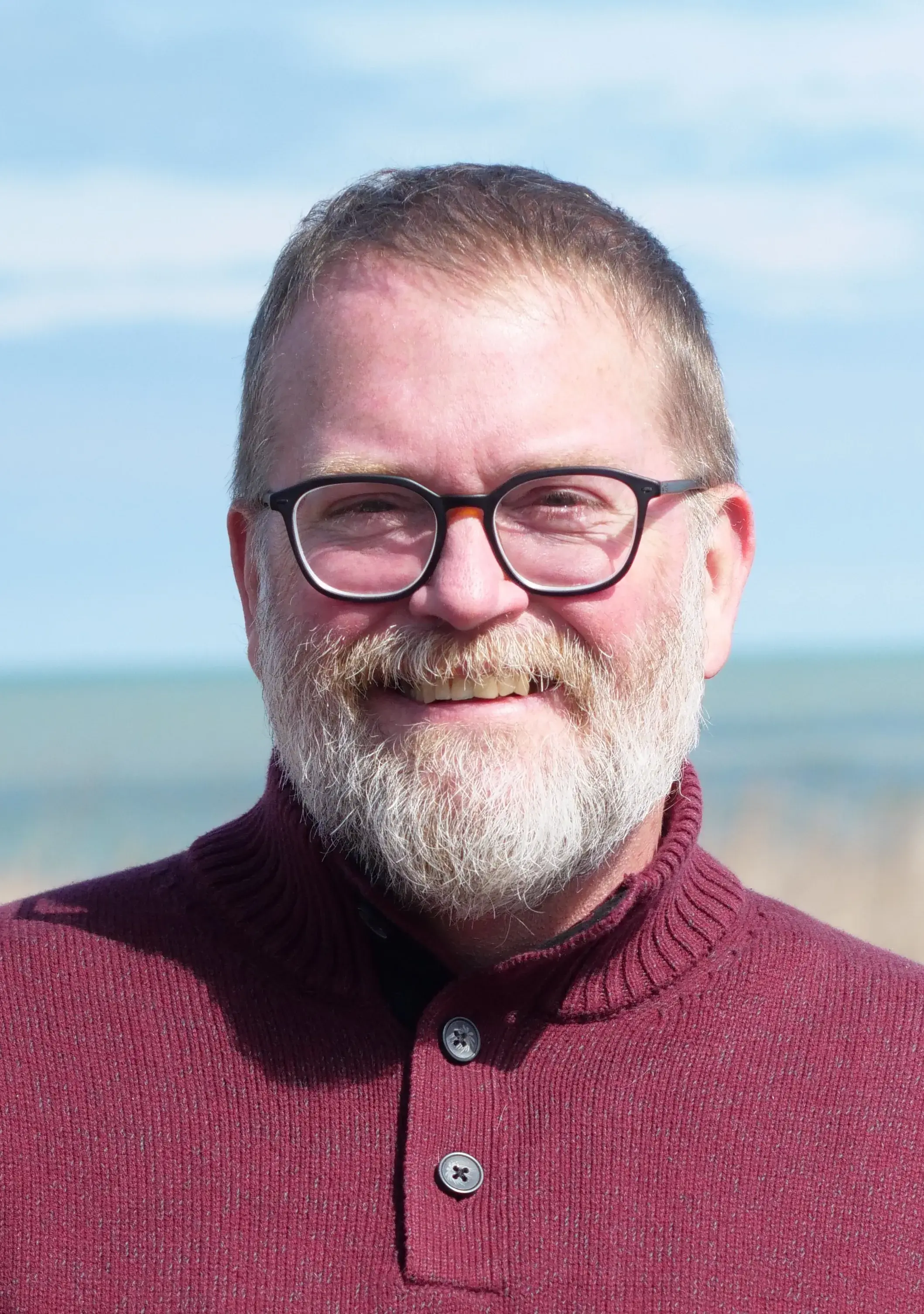
Director of Services & Analytics, Keona Health
Timothy Ogrentz, a registered nurse since 1995, is Director of Services & Analytics at Keona Health, based in Chapel Hill, North Carolina. He joined Keona in September 2018 as Director of Clinical Informatics & Analytics and stepped into his current role in January 2022. Over nearly eight years at the company, Tim has built out the clinical informatics, analytics, and AI capabilities behind Keona’s next-generation triage platform, leading work on LLM-powered nurse tooling, AI-assisted triage features, and automated clinical guideline generation. Alongside descriptive, predictive, and prescriptive analytics, interactive dashboards and scorecards, and applied research, his work helps clinical contact centers make smarter, faster, more outcome-driven decisions.
Tim is passionate about telephone triage nursing, next-generation triage software, and the rich clinical data sets the triage process generates. He works at the intersection of bedside-rooted clinical expertise and applied AI, building data- and AI-driven tools that help triage teams deliver a better customer experience, a more efficient workflow for the triage nurse, and — most importantly — healthier, happier patients. Triage, as he puts it, is in his blood.
Get Your Resource Bundle
Filter by Category
Recent Post

