



The Dermatology Access Problem
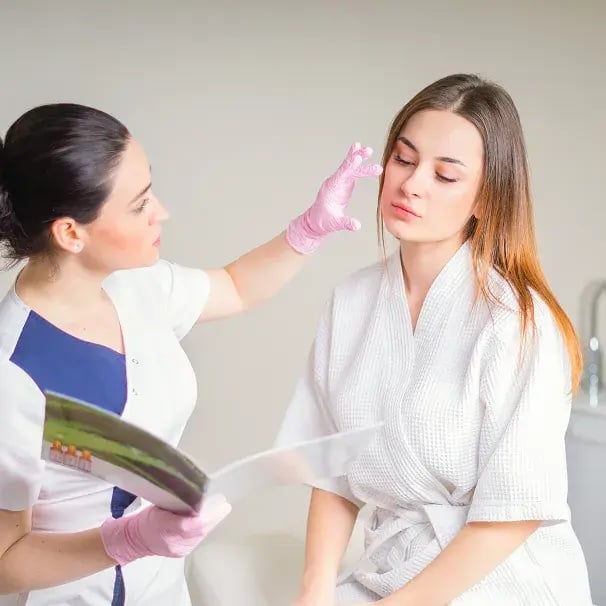
In dermatology, the same inbox includes rashes, acne, mole checks and cosmetic consultations. When routing is generic, medical urgency is missed, cosmetic demand crowds out care, and staff are forced to make de-facto clinical decisions without training or images.
The result is delayed diagnosis, frustrated providers, and patients who leave because someone else “could see me sooner.”
Why Dermatology Can’t Use Generic Routing AI
Generic AI routing fails in dermatology because of four critical complexity factors:


In dermatology, generic routing doesn’t just reduce efficiency — it can introduce delayed evaluation and misprioritized access.
13+ Years Solving Dermatology’s Unique Challenges
CareDesk provides dermatology scheduling, waitlist automation, and medical vs cosmetic routing using dual-engine AI:
- Autopilot handles clearly non-urgent, cosmetic or low-risk requests autonomously.
- Copilot flags medical ambiguity or urgency, surfaces dermatologic context, guides staff to consistent resolution, and auto-documents decisions.
CareDesk does not diagnose. It executes your practice’s scheduling and escalation rules.
-1.svg)
Intake
Reason for visit, symptom descriptors, lesion changes, prior skin cancer history, immunosuppression, autoimmune conditions, and recent biopsies.

Route
Match urgency, provider, room type, and slot length using practice-defined rules.

Resolve
Book, escalate, or hand off with context so staff can act without restarting the conversation.


Built for Dermatologic Complexity
CareDesk evaluates urgency, resources, and follow-up requirements simultaneously — so urgent lesions are seen sooner and cosmetic demand doesn’t crowd out medical care.

Example 1: Changing pigmented lesion
Action: Urgency flagged from language. Offer earliest medical slot or escalate to nurse to review.

Example 2: Cosmetic consultation request
Action: Route to cosmetic pathway without displacing medical access. Book appropriate provider and room.

Example 3: Post-biopsy follow-up
Action: Identify pathology status, provider responsibility, and required timing. Schedule or escalate per protocol.
Over 90% of repetitive dermatology scheduling interactions are completed autonomously or handed over with full context so staff aren’t left restarting the conversation.
CareDesk and Dermatology
Practice Intelligence 360 - Dermatology Configuration
Fair pricing
You only pay for completed care, not AI chatter. Works with your scheduling rules, provider templates, and escalation pathways. Escalations include context so staff do not restart the conversation. Creates a clear audit trail of who did what, when, and why.
Healthcare CRM Foundation
13 years of dermatology workflow refinement. HIPAA compliant. EHR integrated. Built for specialty depth with medical urgency recognition.

Patient 360: What the system knows about the patient
Skin cancer and autoimmune history, immunosuppression, lesion change descriptors, ...

Provider 360: What the system knows about your clinicians
Specialty focus, room/equipment needs, procedure preferences

Practice 360: What the system knows about your operational reality
Room constraints, reserved blocks, site schedules (e.g., phototherapy ...
